How to Launch Your First Pop-Up store Without Beginner Mistakes
Launching a pop-up store remains one of the fastest ways for a brand to step into physical retail, test a market, and understand customer response beyond digital channels.
For many brands, it is one of the most flexible ways to validate a city, introduce a new collection, generate visibility, or create direct interaction without committing to a permanent store.
But while it may look simple from the outside, the reality is different: most first pop-ups store fail because of decisions made before opening day.
A pop-up store does not start when the first visitor walks in.
It starts much earlier — when you define why you are doing it, what you want to measure, and what kind of location actually fits your brand.
Many first-time activations underestimate what happens before launch: choosing a space too early, misjudging the ideal duration, focusing too much on visual design, or underestimating operational details.
A well-planned pop-up can deliver strategic insights in just a few days — insights that brands often need months to obtain online.
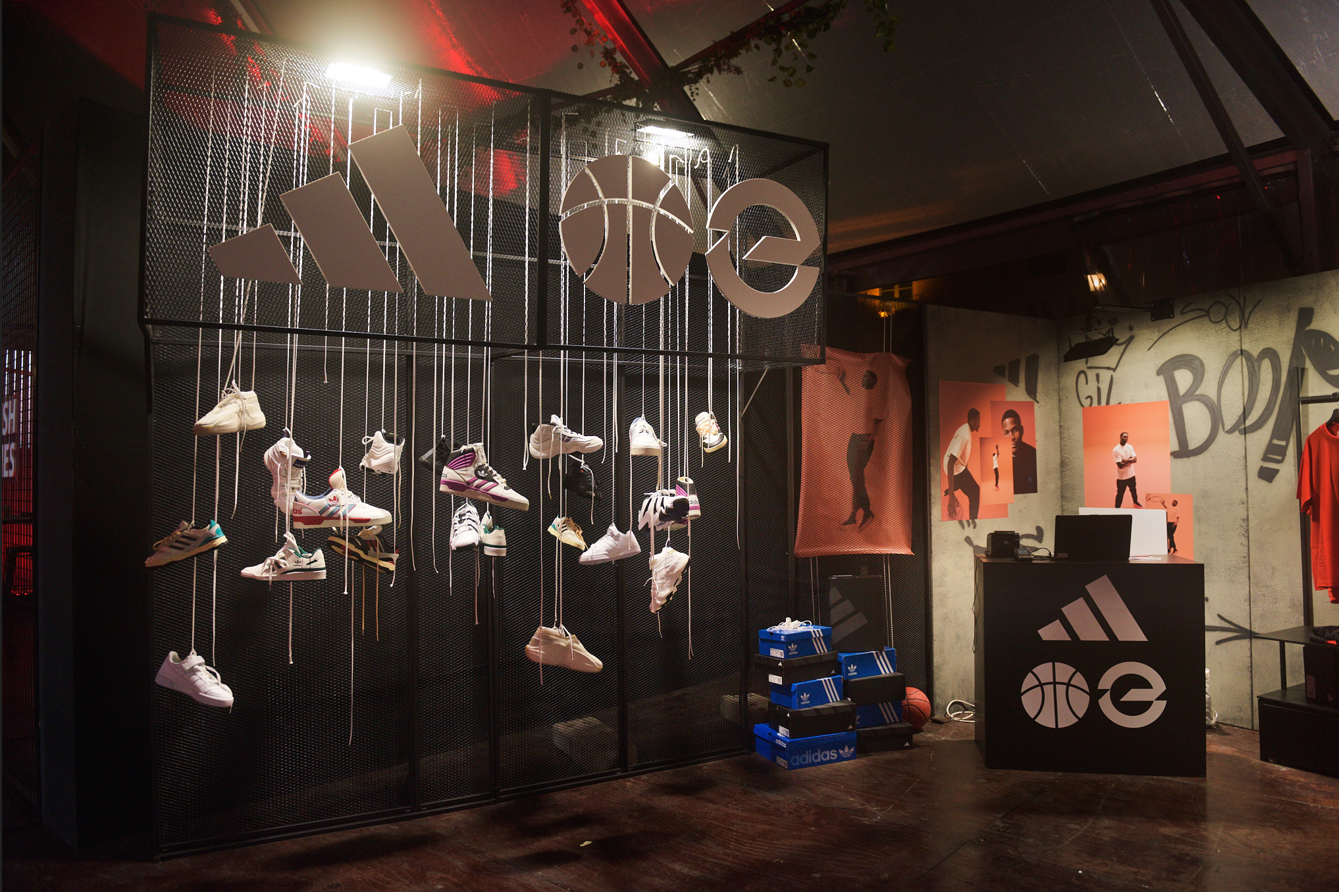
Before choosing a space, define what success looks like
One of the most common mistakes is starting with the venue before defining the objective.
Not every brand launches a pop-up for the same reason.
Some want direct sales. Others want to test a city. Others are introducing a new product, building awareness, or creating a moment for press and community.
That objective completely changes what kind of venue makes sense.
Because there is a clear difference between looking for spontaneous foot traffic and designing a more curated physical experience.
The key question is simple:
What needs to happen for this pop-up store to be considered successful?
Once that is clear, every decision becomes more strategic.
For brands exploring physical retail for the first time, reviewing different pop-up stores often helps clarify what format fits their objective best: Best pop up stores
The best location is not always the most expensive street
There is a common assumption: the more premium the street, the better the result.
But temporary retail does not always work that way.
Many brands perform better in secondary locations that strongly match their audience than in prime streets where costs rise sharply and conversion becomes less predictable.
What matters most is understanding where your customer is, how they move, what kind of environment fits your brand, and how long they stay in that area.
Sometimes lower visibility creates stronger results because context matters more than raw traffic.
In cities like Barcelona or Madrid, the difference between a strong activation and a weak one often comes down to choosing the right neighbourhood rather than the most obvious one.
Duration should follow strategy, not availability
Another common mistake is assuming that more days automatically mean better performance.
A pop-up store that lasts too long without enough activation often loses momentum very quickly.
The ideal duration depends on your objective, your budget, your communication capacity, your city, and your launch timing.
In many cases, shorter formats perform better: three intensive days, a weekend activation, five days linked to a launch, or dates aligned with a relevant commercial moment.
Because temporary retail performs best when there is a clear sense of timing and urgency.
The real budget is never just the rental cost
When brands calculate a first pop-up, they often focus only on venue cost.
But the real budget includes much more: furniture, production, transport, staff, installation, dismantling, technical adjustments, and insurance when required.
This does not mean the activation has to become complex.
In fact, many of the most effective pop-ups are built around simplicity.
A strong activation does not require heavy production — it requires clarity on what really matters.
Design the experience before the decoration
One of the most repeated mistakes in first activations is investing too much energy in how the space looks and too little in what people will actually do inside.
The key question is not only:
How should it look?
The real question is:
What do we want visitors to do once they enter?
Because a pop-up works best when it triggers action: try, ask, discover, stay, share, or buy.
A beautiful space attracts attention. A well-designed experience creates memory.
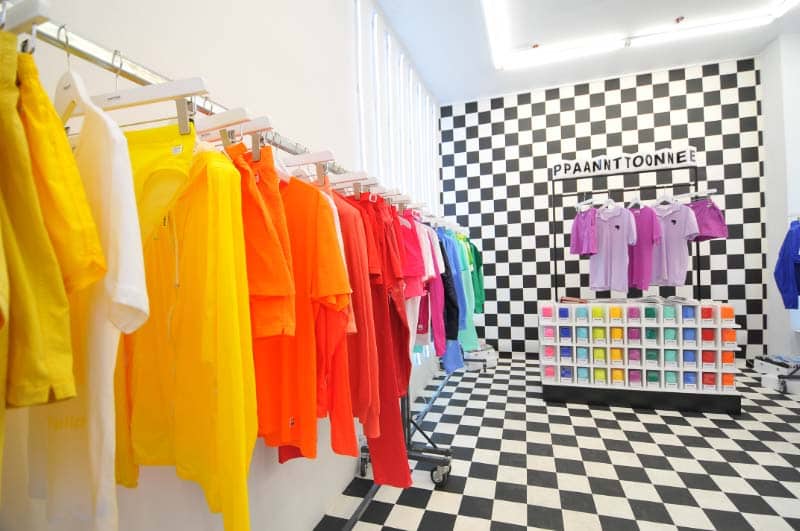
Operations matter more than most brands expect
Operational planning often looks secondary until opening day arrives.
And then practical issues appear immediately: who receives deliveries, who opens and closes, how stock is replenished, what happens if something is missing, and how visitor flow is managed.
In short activations, small operational problems have a much bigger impact.
That is why preparation often matters more than design itself.
Do not measure only sales
A first pop-up should not be evaluated only by turnover.
Other metrics often matter just as much: qualified leads, direct feedback, product validation, visitor behaviour, local interest, and content generated.
Sometimes the most valuable result is not immediate profitability but what the brand learns for the next decision.
The first pop-up does not need perfection — it needs clarity
Many brands delay physical activation because they feel everything needs to be perfect.
But the strength of temporary retail lies precisely in learning quickly.
A few days of direct contact often reveal things that months of digital observation cannot.
For brands planning launches, presentations, or B2B activations, reviewing different corporate event venues can also help identify formats that better match strategic goals beyond classic retail: Corporate Event Venues by city
If you need more than a space, external support can make the difference
Not every brand approaches a pop-up with the same internal resources.
In many cases, beyond choosing the right venue, success also depends on concept definition, production, coordination, and operational execution.
When the objective goes beyond simply opening a temporary space, working with a specialised team often helps move faster and avoid costly mistakes.
Brands looking for strategic and operational support can also rely on GoPopUp agency services to develop and execute the activation from start to finish
Because in many cases, a successful first pop-up depends less on opening day — and more on how the project is designed from the beginning.